


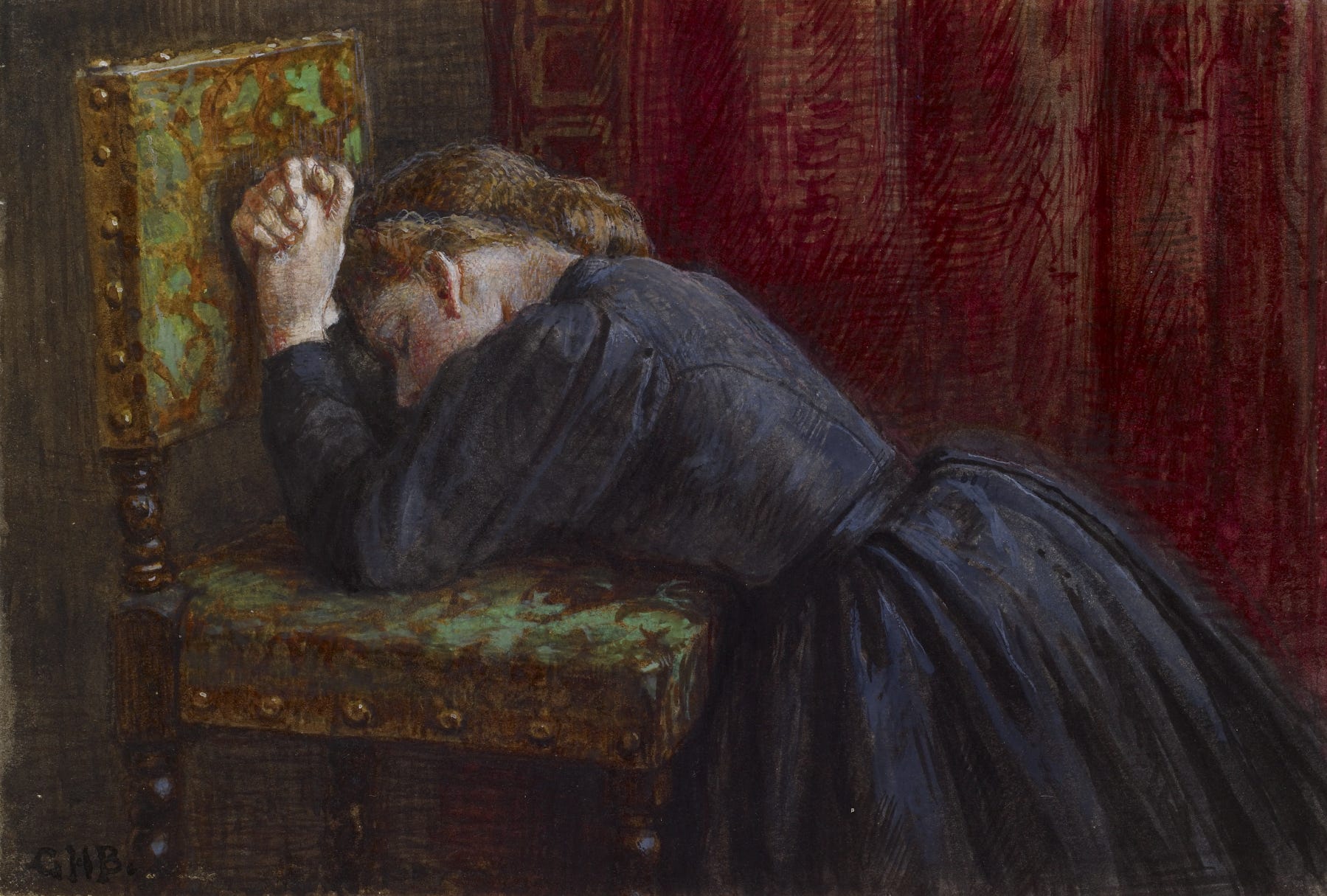
“Prayer is not overcoming God’s reluctance,
but laying hold of His willingness.“
—Martin Luther
Let me say that again in my own words: Prayer is not overcoming God’s reluctance, but laying hold of His willingness.
And again, in even better words:
Prayer is not overcoming God’s reluctance, but laying hold of His willingness.
Ok, I’ve been trying to improve on Luther, but it just can’t be done.
But is he right?
Let’s find out.
On the subject of prayer, Jesus said:
“Ask and it will be given to you; seek and you will find; knock and the door will be opened for you.“ (Matthew 7:7)
Then a few verses later, He says: “If you then, although you are evil, know how to give good gifts to your children, how much more will your Father in heaven give good things to those who ask him!” (Matthew 7:11)
The beauty here is palpable. Jesus isn’t arguing that God is capable of giving good gifts. He is arguing that He wants to give good gifts.
Jesus also said:
“Suppose one of you has a friend, and you go to him at midnight and say to him, ‘Friend, lend me three loaves of bread, because a friend of mine has stopped here while on a journey, and I have nothing to set before him.’ Then he will reply from inside, ‘Do not bother me. The door is already shut, and my children and I are in bed. I cannot get up and give you anything.
’I tell you, even though the man inside will not get up and give him anything because he is his friend, yet because of the first man’s sheer persistence, he will get up and give him whatever he needs.” (Luke 11:5–8)
It’s easy to read this like, “Just keep bothering God until He caves.”
But if that’s what Jesus meant, it would give us a really strange picture of prayer. It would be something like:
God is sleeping.
You ask Him for something.
He gets annoyed.
But eventually helps because He’s tired of being asked.
But Jesus distinguishes himself from the friend when He says, “How much more will the heavenly Father give the Holy Spirit to those who ask him!”
Jesus goes from the lesser to the greater, essentially saying, “If even a grumpy neighbor eventually helps, how much more will a loving Father help?”
The point is that God is better than the reluctant neighbor.
If Jesus is right, then “Your Father knows what you need before you ask him” (Matthew 6:8). So when you pray, you aren’t informing or convincing God of anything because He already knows. You aren’t a trial lawyer making a case. And He’s not a reluctant judge and jury.
In fact, “If anyone is deficient in wisdom, he should ask God, who gives to all generously and without reprimand...” (James 1:5)
He doesn’t admonish you for asking. He doesn’t say, “You again?” He just gives generously.
“Therefore let us confidently approach the throne of grace to receive mercy and find grace whenever we need help.” (Hebrews 4:16) Notice the order; the throne is already a throne of grace before anyone approaches it.
You aren’t trying to convince the King to be merciful. In other words, you are approaching grace, not creating it.
So, we never have to think, “if I pray hard enough, maybe God will listen,” because “He who did not spare his own Son, but gave him up for us all—how will he not also, along with him, freely give us all things?“ (Romans 8:32)
Note to self: The cross forever removed God’s willingness from the list of things we need to worry about.
Whoa! That was good. Especially the end note. Thank you.
thank you Haley for reminding us we dont have to sweat in prayer the lord is willing to give us what we need when we ask in faith at the throne of grace